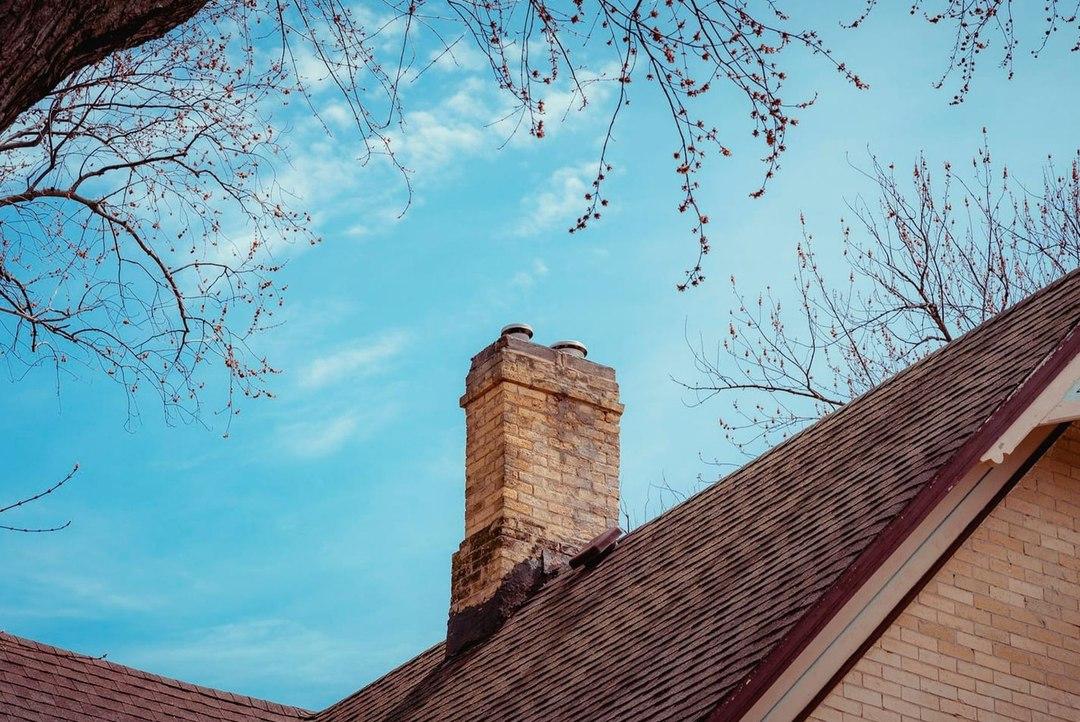
What sets the price of your cap
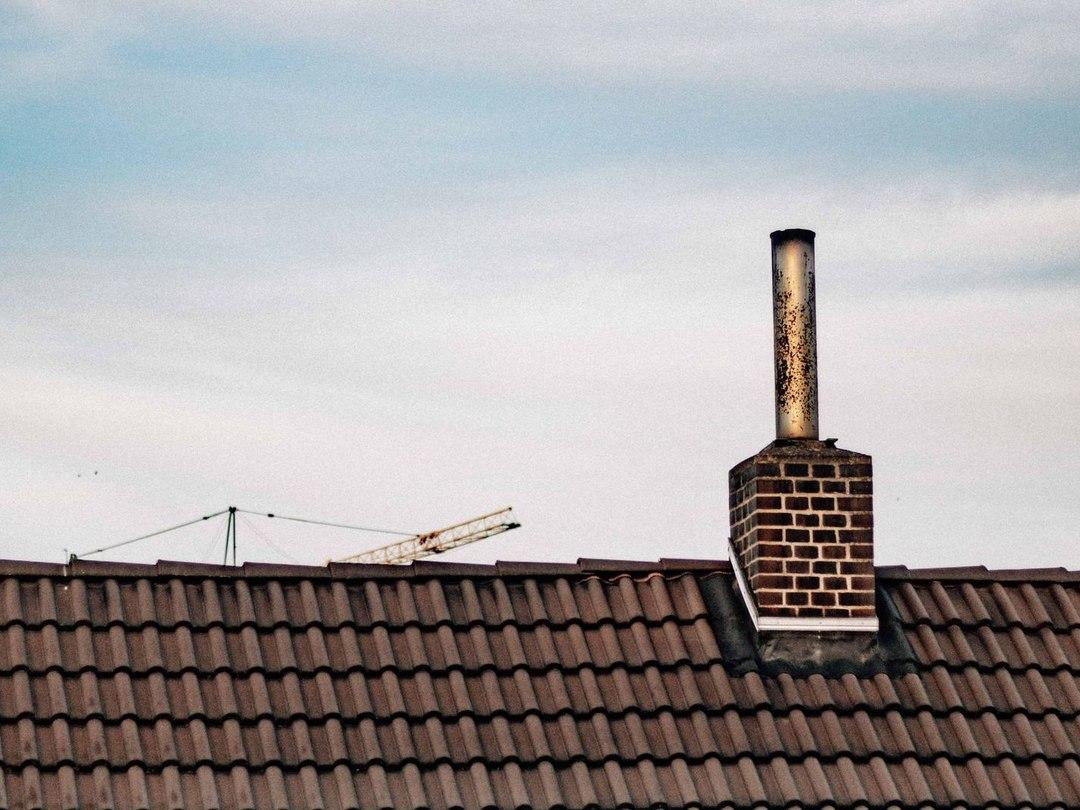
Every cap we install is quoted after we measure. This post walks through what sets the price. Most Pico Rivera homes are single storey, built in the decades after the war, with one brick chimney behind a living room fireplace. That shape is usually the simplest job. The biggest job is for wide masonry stacks carrying two or three flues, steep or two storey roofs, and covers made to measure.
We lead with caps at Winthrop Chimney Works because a cap is the first line of fire protection on the roof. It decides whether sparks from your own fire leave the flue still burning, and whether wind-blown embers from a fire somewhere else can drop straight into the house.
Seven things we look at before we give you a figure
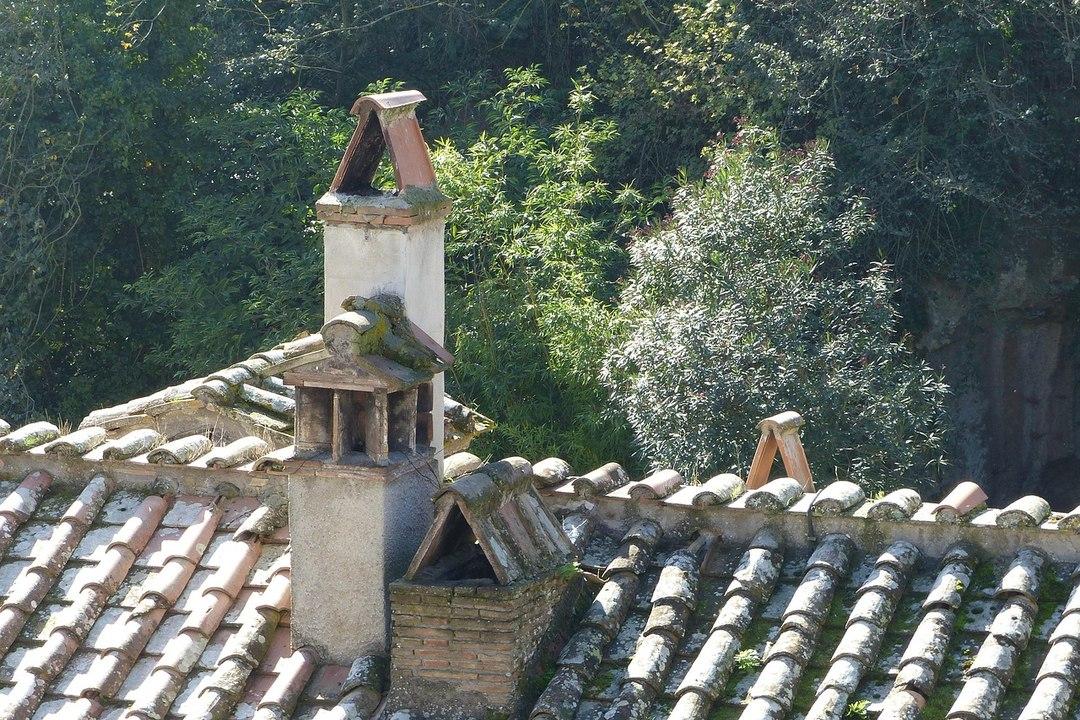
- Flue count. Count the clay or metal pipes poking out of the top. One pipe takes a single cap that clamps on. Two or more side by side usually get one broad cover that spans the whole top.
- Flue shape and size. Round, square and oblong tiles each take a different stock unit. Odd sizes from older houses sometimes have no stock match.
- Metal. Stainless steel is what we fit by default. Copper is dearer and chosen mostly for looks. We do not use galvanized steel, which rusts through after a few wet winters.
- The mesh. This is the ember part of the job and has its own section below.
- What the cap fastens to. A tile standing a few inches proud of the masonry gives the clamp something to grip. A tile cut flush, or a top that is already breaking up, means a different mount and sometimes a repair first.
- Roof and height. Composition shingle on a low pitch is quick to work on. Clay tile, a steep pitch or a second storey adds setup time and care.
- Metal fireplaces. A prefab fireplace with a framed chase uses the termination its maker lists, so we order that part rather than a generic one.
Ask for a cap figure for your roof. Tell us whether the house is one storey or two, how many pipes you can see on top and what covers the roof, and we can talk through what your roof is likely to need when we call back.
Why the mesh matters more here than the hood
The hood keeps rain off. The mesh is what keeps a chimney from becoming a way for fire to get out of the house, or into it.
Wood fires throw up light burning bits: paper, bark, flakes of soot. Most cool before they clear the top. Some do not, and they land on shingles, in a gutter packed with dry leaves, or in a neighbour's palm tree. On a calm, damp night that rarely matters. On a night when hot, dry Santa Ana air is pouring down out of the passes, the same spark can travel much further and stay alight longer. A mesh at the top of the flue holds those bits against steel until they burn out.
Now turn it around. When there is a brush or grass fire upwind, the air carries embers for long distances. An uncovered flue is an open hole in the roof that leads down to a damper and a smoke chamber lined with old soot. A capped flue with sound mesh shuts that door.
The mesh has to be open enough to let the fire breathe and fine enough to stop the burning bits. Too fine and it clogs with soot, the draft suffers and smoke rolls back into the room. Too coarse and it does not do its job. We match it to what you burn and to how often you light a fire.
Timing a cap to the fire calendar
Around Pico Rivera the year falls into a rough pattern. Rain, if it comes, arrives between late autumn and early spring. Grass on the hills and along the river channels is dry by early summer. Santa Ana events cluster from autumn into winter, which is also when people start lighting fires. That overlap is why we fit most caps in late summer and early autumn: the mesh is on before the first cold evening and before the windy stretch, not after a close call.
Spring has its own reason. A flue left open all winter is an invitation to birds, and a nest is a bundle of dry twigs sitting just above the damper. We clear it out when the cap goes on. If the chimney has not been swept in the past year, we can do that on the same visit; our sweep starts from $420.
What a cap does not fix
A cap is a top piece only. It will not close a cracked crown, stop water getting past failed flashing, or make a split flue tile safe to use. If we see any of those from the roof we photograph them, tell you what they mean, and keep them apart from the cap figure so you can decide one thing at a time. When the condition of the chimney is the open question, a Level 1 inspection at $55 usually settles it. When the inside of the flue is in doubt, the Level 2 with a video scan is $390. Both come with photos and a written report.
What you get from us
Before any work you get a written figure for the cap, the mesh we plan to use and the way it will be fastened. After the work you get photos of the top of the chimney with the cap in place. Anything else we spotted up there sits on its own line, priced from our list if it is on there and costed separately if it is not.
More on this subject:
When the dry months are close and the top of your chimney is still open, start on our contact page and we will set a time to get up there.
Get Your Chimney Ready for Fire Season
Winthrop Chimney Works checks the cap screen, the crown and the flue on your house and writes up what it finds, with photos and prices. Our days start in Pico Rivera and run through Montebello, Whittier, Lakewood and the rest of our list.